
Brickwork Contractors & Bricklayers in Kent
Garden walls, piers, repointing and outdoor features, laid neat and built to stand.
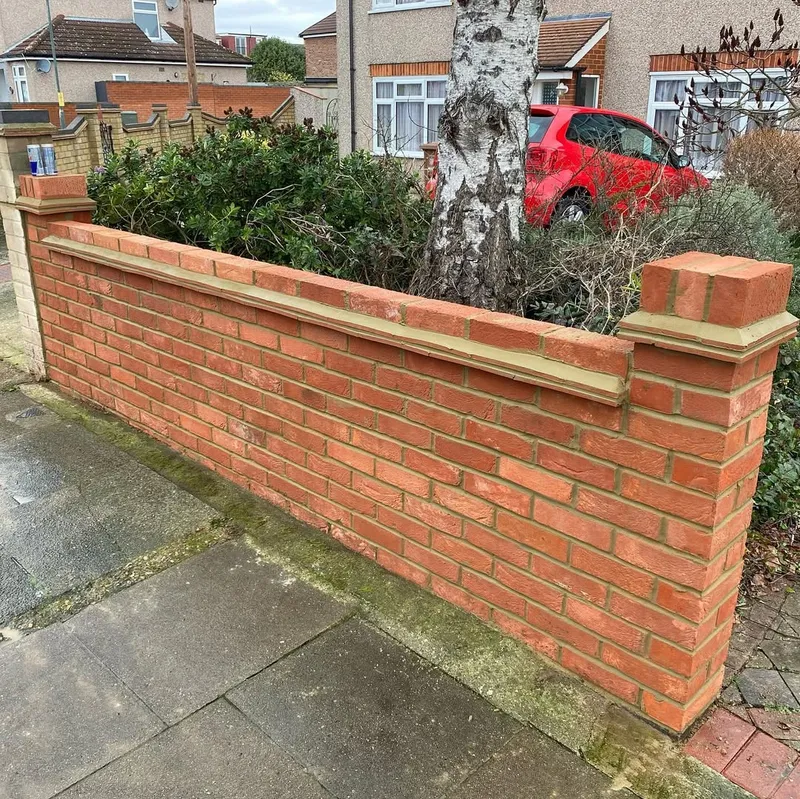
Brickwork is our trade, and it is where the name comes from. We build front and boundary walls, gate piers, raised beds, flint and brick panels, outdoor kitchens and barbecue areas, and we repoint and repair existing walls so they look right and keep the weather out.
Good brickwork starts with the footing. A wall built on too shallow a base, or without allowing for movement, will crack and lean over time. We dig and pour a proper foundation, keep courses level and gauge consistent, and finish joints neatly with a coping or capping that throws water clear.
Where we are working on an older property, we take time to match bricks, bond and mortar colour so new work sits comfortably next to the old.


Options
Choosing what’s right for you.
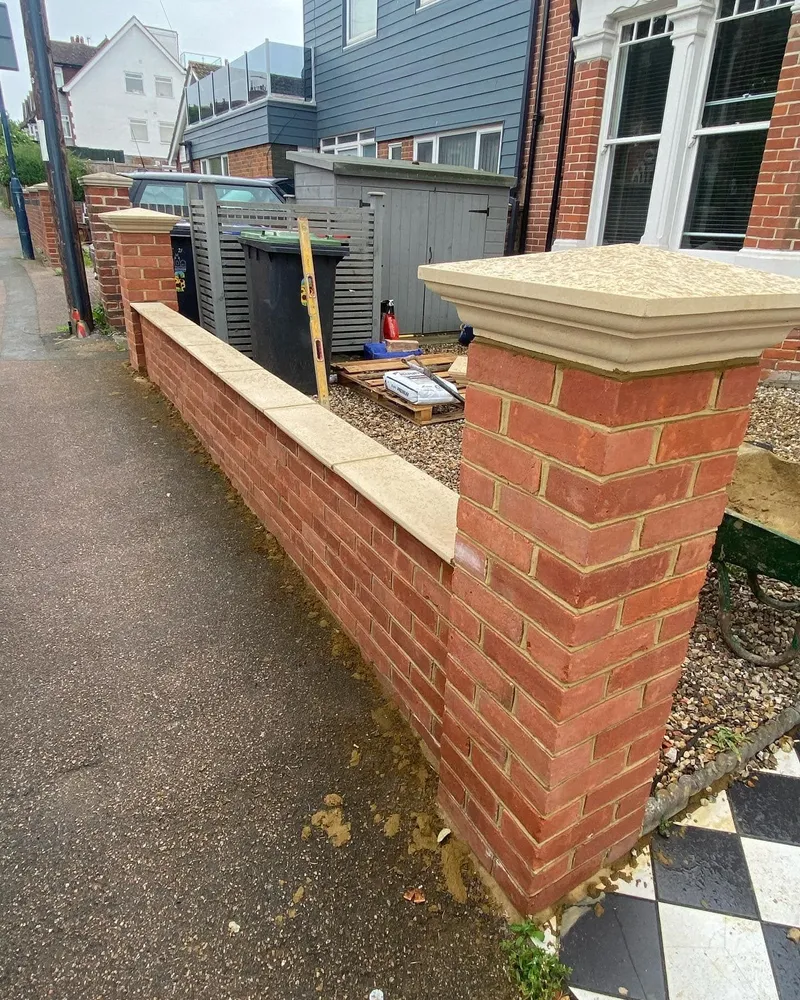
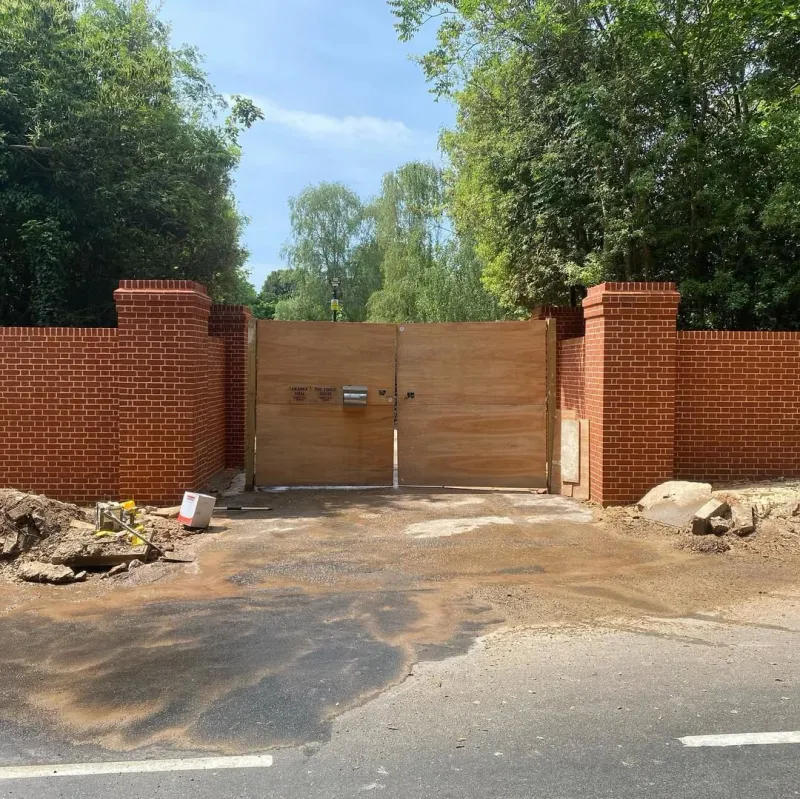
Garden and boundary walls
From low front walls to taller boundary walls with piers. Height, length and exposure decide how thick the wall needs to be and how often it needs piers for stability.
Flint and brick panels
A traditional Kent look, with flint panels framed by brick piers and bands. It is slower to build than plain brickwork and needs a skilled hand to get the flints sitting well.
Repointing
Raking out tired or crumbling joints and refilling them to protect the bricks. Older walls laid in lime mortar should be repointed in lime, not hard cement, which can damage soft bricks.
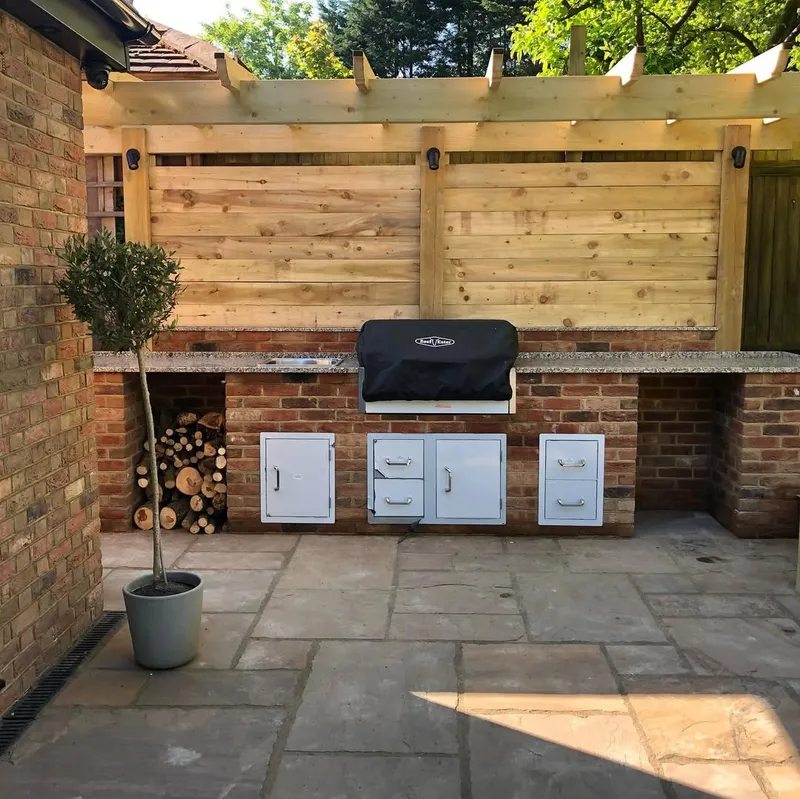
Outdoor kitchens and barbecues
Built-in barbecue housings, worktops, log stores and seating in brick or block with a stone or porcelain top. We plan the layout around how you cook and entertain.





Worth knowing
Before you start.
- 01
Party walls and boundaries
If you are building on or right up to a shared boundary, the Party Wall etc. Act 1996 may require you to notify your neighbour before work starts. It is worth agreeing the line of any boundary wall with your neighbour in advance.
- 02
Height limits
Under permitted development, walls next to a road are generally limited to one metre high, and two metres elsewhere, without planning permission. Different rules can apply to listed buildings and conservation areas.
- 03
Matching old brickwork
Bricks and mortar vary widely in colour and size. Reclaimed or carefully selected bricks and a tested mortar mix give the best match. We will show you options before we start.
How it works
Four clear steps, no surprises.
From the first visit to the final sweep, you’ll know what’s happening, when, and what it costs.
Site visit
We come out, measure up, check levels and drainage, and talk through what you want and how you use the space.
Clear quote
A written, itemised quote with materials, timings and what is and isn’t included. No pressure and no hidden extras.
The build
Proper excavation and sub-base first, then the finish. We keep the site tidy and keep you updated as we go.
Handover
We walk the finished job with you, clear away, and explain any aftercare so it looks right for years.
Areas
Brickwork across Kent.
We cover every district in Kent. Our area guides explain local ground conditions, planning and highways rules.
Questions
Brickwork: common questions.
Do I need planning permission for a garden wall?
Usually not, if it stays within permitted development limits: up to one metre high next to a road or footpath and up to two metres elsewhere. Listed buildings, conservation areas and some estates have tighter rules, so check if either applies to you.
How do I know if my wall needs repointing?
Look for joints that are recessed, crumbling, cracked or have gaps you can push a key into. Damp patches on the inside of house walls can also be a sign. Leaving it too long lets water into the bricks, which can lead to frost damage.
Can you match my existing bricks?
In most cases we can get very close. We look at colour, texture, size and the bond pattern, and source new or reclaimed bricks to suit. Mortar colour makes a big difference too, so we match that as well.
Why is my garden wall leaning?
Common causes are a shallow or missing foundation, tree roots, soil pressing against one side, or no piers on a long run. A leaning wall can be dangerous. It usually needs taking down and rebuilding on a proper footing rather than patching.
Related
Often done together.


Why people hire us
- 15+ yearsbuilding driveways, patios and brickwork in Kent
- Free site visitand a written, itemised quote before any work starts
- Same person throughoutRoss prices the job and builds it, so you always know who to call
- 14 jobs photographedfrom the dig to handover, so you can see how we work
- Quick repliesmost enquiries get an answer the same working day
- 4.9 on Googlefrom 8 reviews
- Fully insured£2 million public liability cover with Zurich
- 5-year guaranteeon our workmanship, in writing
Free, no-obligation quote
Get a free quote for brickwork in Kent
Four quick details and a photo if you have one. Ross will get back to you to arrange a free site visit and a written, itemised quote.
- Free site visit and a written, itemised quote
- No obligation and no pressure
- Your details are only used to reply about your job
Get your free quote
We reply to every enquiry, usually the same working day.
